





10 Reasons Why Timber is the Most Eco-Friendly Building Material
10 Reasons Why Timber is the Most Eco-Friendly Building Material
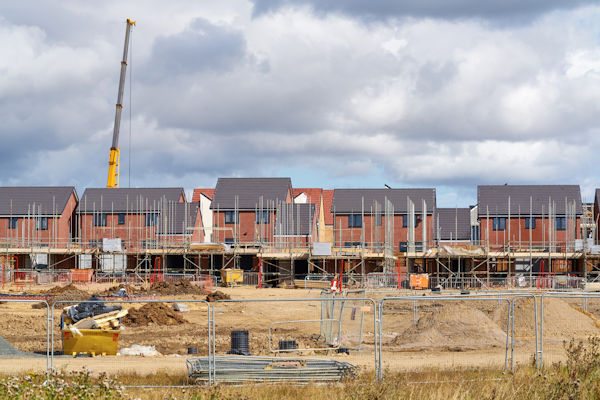
For many years, the construction industry has been known for producing a large amount of waste. Demolition practices, transportation of materials and the resources used all contribute to a sizeable carbon footprint. In recent years, however, the demand for eco-friendly buildings has increased both due to young people entering the housing market and growing concerns about the climate change crisis.
The importance of using eco-friendly materials when constructing buildings is paramount. Climate change is getting worse and for a long time, construction was playing a large part in this. Luckily, there are now tons of alternatives to traditional building materials such as timber that are being used to construct houses because of their sustainable properties.
In this article, the team at 4 Everdeck have looked at the eco-friendly properties of timber and why this makes it one of the most eco-friendly building materials available to us. Read on to find out more about the importance of building sustainably.
Why is Building With Timber Eco-Friendly?
Wood has been used as a building material for thousands of years, and it’s still popular today for its strength and durability. As well as being strong and versatile, timber is often used for building doors, windows, floors and building frames because of its many eco-friendly properties.

- Negative carbon footprint. Timber extracts CO2 from the air when it grows, so the production of timber actually has a negative carbon footprint. For this reason, building with timber dramatically reduces the carbon footprint of a house, making it an excellent option for construction.
- Creates energy-efficient structures. Timber is known for creating energy-efficient building structures, especially when used for building walls and roofs, keeping houses cool in the summer and warm in the winter.
- Timber is energy efficient to produce. A low amount of energy is required to produce timber compared to other building materials. In fact, it takes 5 times the amount of energy to produce concrete and 6 times the amount to produce steel compared to timber.
- No toxins. Timber doesn’t contain any toxins so it doesn’t release any chemicals into the building, making it a perfectly safe option for constructing residential houses. This also means that it doesn’t break down into any environmentally damaging materials when decomposing.
- Renewable. Timber is a renewable material and as long as it continues to be planted and grown across the world, it will continue to be available for building with.
- Recyclable. Timber can be recycled, which means that at the end of its lifespan, a timber structure can be deconstructed and this wood can be reused in other projects or to construct other buildings. Once they can no longer be reused, they will also decompose, releasing nutrients back into the ground without contributing to landfill.
- Transportation. Timber requires little energy to transport, so the transfer process to building sites isn’t damaging to the environment.
- Long-lasting. Building with timber is preferable because it’s strong and versatile, creating durable and long-lasting structures. It also has a natural aesthetic and timber structures are attractive and desirable.
- Zero waste. Using timber is a zero-waste process; timber can be recycled, and any cut-offs can be used as firewood and sawdust can be used as compost or animal bedding.
Some Other Eco-Friendly Building Materials:
Sandbags:
Sandbags are often used for building the walls of houses, as they are cheap and are quick to build with. There are many reasons why building with sandbags is highly sustainable. Since clean and useable sand is readily available at most building sites, there are little to no transportation costs involved. The manufacturing of sandbags also uses zero energy, unlike the manufacturing of traditional building materials such as bricks. In fact, compared to standard brick walls, sandbags use 95% less CO2 emissions.
Sheep’s wool:
Sheep’s wool is a great, sustainable material often used for insulating houses. Due to the crimped nature of the wool fibres, millions of small air pockets are formed that trap air. This creates a highly effective thermal barrier, keeping homes warm in winter and cool in summer. And because the average sheep will produce between 2.3 and 3.6 kg of raw wool annually, it’s also a renewable resource.
Composite plastic:
Composite plastic is a popular building material often used for constructing decking, fencing, railings, windows, floors and more. As well as being a highly durable material, composite plastic is also corrosion-resistant so ideal for houses. It has the same, attractive appearance as natural wood but requires far less maintenance, making it a popular choice with many home-owners.
Sources:
- https://www.ecobuilders.co.za/sandbag-construction/frequently-asked-questions.php
- https://www.4everdeck.co.za/inspiration/5-eco-friendly-building-materials-that-are-changing-home-design/
- https://home.howstuffworks.com/home-improvement/construction/green/straw-bale-house.htm
- https://elemental.green/the-complete-guide-to-eco-friendly-insulation/